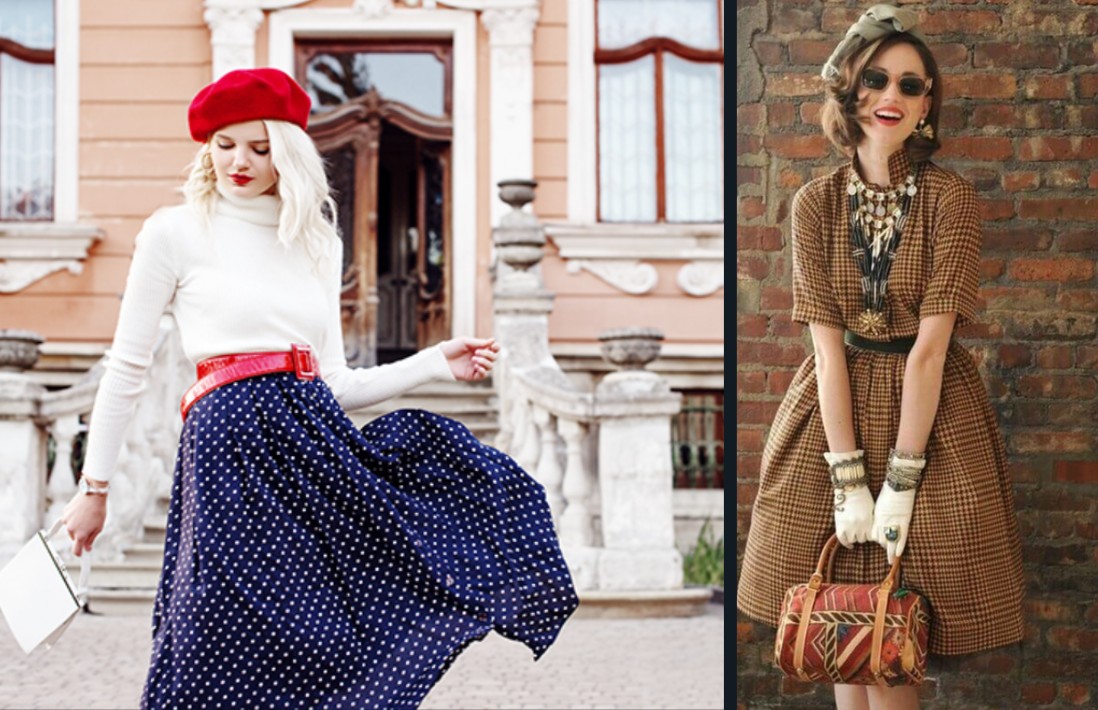
Retro style has become one of the most recognizable aesthetics across fashion, culture, and design. The appeal of retro style lies in its ability to revive elements from past decades while blending them with modern creativity. Designers, artists, and brands often draw inspiration from earlier eras, allowing people to experience nostalgia while still embracing contemporary innovation. As a result, retro style has become more than just a fashion concept; it is a cultural movement that reflects society’s appreciation for history, identity, and creativity.
In today’s world, retro style influences everything from clothing trends and music to food traditions and academic writing formats. Even psychological concepts such as relationship behaviors include the idea of “style.” Understanding retro style therefore requires exploring its role across multiple areas of life. This comprehensive guide explains the origins of retro style, its major fashion influences, and how the idea of style shapes culture, psychology, and communication.
What Retro Style Means in Modern Culture
Retro style refers to design or fashion that intentionally draws inspiration from trends that were popular in the past. Typically, retro aesthetics borrow elements from the 1920s through the early 2000s. Instead of simply reproducing old designs, retro style reinterprets them using modern materials, technology, and cultural perspectives.
The word “style” itself refers to a distinctive way of expressing creativity or identity. In fashion, style describes clothing aesthetics. In writing, it refers to formatting standards. In psychology, it describes behavioral patterns such as attachment styles in relationships. Because the concept of style appears in so many fields, retro style can influence multiple aspects of modern culture simultaneously.
The popularity of retro style has grown significantly due to nostalgia-driven trends. Studies in consumer psychology suggest that nostalgic references can increase emotional connection and brand loyalty. As a result, fashion brands, music producers, and digital creators frequently revive older aesthetics to attract modern audiences.
Retro Style in Fashion and Aesthetic Trends
Fashion remains one of the most visible expressions of retro style. Designers constantly revisit past decades to reinterpret iconic looks. Several major fashion aesthetics demonstrate how retro style continues to evolve.
Old Money Style and Timeless Elegance
One of the most refined interpretations of retro style is old money style. This aesthetic reflects the understated fashion traditionally associated with wealthy families and elite academic institutions. Rather than emphasizing flashy logos or modern streetwear, old money style focuses on timeless elegance.
Clothing associated with old money style often includes tailored blazers, button-down shirts, loafers, and neutral-colored sweaters. The emphasis is on quality materials and classic silhouettes rather than seasonal trends. The aesthetic draws heavily from mid-twentieth-century European and American upper-class fashion.
In recent years, old money style has gained popularity on social media platforms where creators highlight sophisticated, vintage-inspired wardrobes. The aesthetic perfectly represents retro style because it reintroduces traditional fashion values to contemporary audiences.
Grunge Style and 1990s Counterculture

Another influential fashion movement connected to retro style is grunge style. Emerging from the Seattle music scene in the early 1990s, grunge style reflected the rebellious attitudes of alternative rock culture. Musicians such as Kurt Cobain popularized clothing that rejected mainstream fashion norms.
Grunge style is typically associated with flannel shirts, distressed jeans, oversized sweaters, and combat boots. The aesthetic deliberately appears unpolished, representing resistance to consumerism and traditional beauty standards. Despite its anti-fashion origins, grunge style eventually influenced high fashion and remains a common reference in retro style collections.
Modern designers frequently reinterpret grunge style using updated fabrics and tailoring, proving that retro style can evolve while maintaining its original cultural message.
Y2K Style and Early Internet Aesthetics

Y2K style refers to fashion trends that emerged around the late 1990s and early 2000s. The term “Y2K” originally referred to technological concerns surrounding the year 2000, but it eventually became associated with a futuristic yet playful aesthetic.
Y2K style includes metallic fabrics, brightly colored accessories, low-rise jeans, crop tops, and technology-inspired designs. The era was heavily influenced by early internet culture, pop music, and celebrity fashion.
In recent years, Y2K style has experienced a major revival among younger generations. Social media platforms have played a significant role in rediscovering and promoting these nostalgic trends. Because Y2K fashion reflects the optimism of early digital culture, it fits naturally within the broader concept of retro style.
Coquette Style and Vintage Romanticism
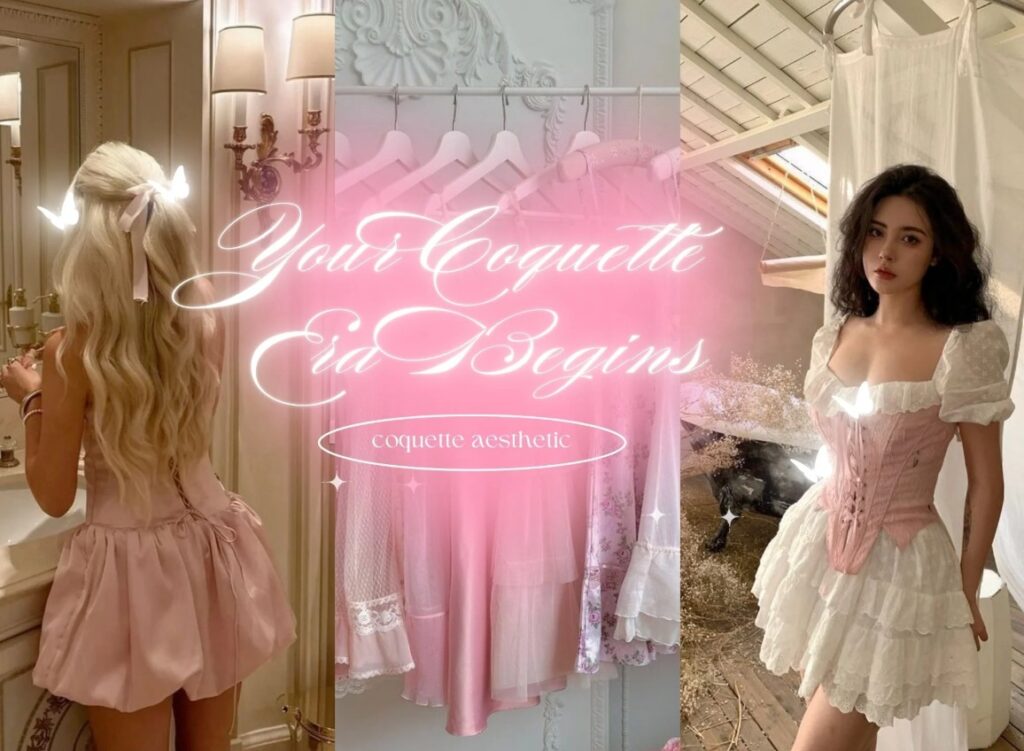
Another emerging aesthetic influenced by retro style is coquette style, which emphasizes romantic and feminine elements inspired by historical fashion. This aesthetic often features lace fabrics, pastel colors, bows, and delicate silhouettes.
Coquette style draws inspiration from mid-century fashion, ballet culture, and vintage European aesthetics. While modern interpretations may incorporate contemporary fabrics or accessories, the overall look remains deeply rooted in nostalgic imagery.
The popularity of coquette style demonstrates how retro style can reinterpret past femininity while adapting it to modern social and cultural contexts.
Boho Style and Artistic Freedom
Boho style, short for bohemian style, originated from the counterculture movements of the 1960s and 1970s. This aesthetic celebrates artistic expression, natural materials, and relaxed silhouettes.
Flowing dresses, fringe details, embroidered fabrics, and handcrafted jewelry are common elements of boho style. The movement was influenced by global cultures, music festivals, and artistic communities.
Today, boho style continues to influence retro style fashion because it represents creativity, individuality, and freedom from rigid fashion rules.
Acubi Style: Minimalism Meets Retro Inspiration

A newer aesthetic gaining attention is acubi style, which blends minimalist Korean fashion with subtle retro influences. Acubi style typically includes neutral tones, layered outfits, and relaxed silhouettes.
Although the aesthetic appears modern, many of its design elements draw inspiration from vintage fashion trends. This demonstrates how retro style can be integrated into contemporary global fashion movements.
Retro Style in Popular Culture
Retro style also appears in music, entertainment, and internet culture. One notable example is the global phenomenon Gangnam Style, released by South Korean artist Psy in 2012. The song’s humorous music video and iconic dance moves quickly became one of the most watched videos in YouTube history.
While Gangnam Style is not traditionally considered retro fashion, it represents a moment in pop culture that people now view nostalgically. Over time, cultural events like Gangnam Style become part of retro style references because they symbolize specific eras of internet history.
Another cultural example is grunt style, a clothing brand and aesthetic inspired by military identity and patriotic symbolism. Grunt style apparel often incorporates bold graphics and references to military culture. Although primarily associated with modern patriotic fashion, many of its designs use vintage military imagery, aligning it with retro style influences.
Retro Style in Food Traditions
Interestingly, the concept of style is not limited to fashion or culture. It also appears in culinary traditions, particularly in regional pizza varieties.
New York style pizza is known for its thin, foldable crust and large slices. Originating in early twentieth-century New York City, this pizza style reflects the city’s immigrant culinary traditions and remains one of the most recognizable forms of American pizza.
In contrast, Chicago style pizza is famous for its deep-dish structure. Developed in the 1940s, Chicago style pizza features a thick crust, generous layers of cheese, and chunky tomato sauce. This distinctive preparation method represents a unique regional style that has become a nostalgic culinary icon.
Another popular variation is Detroit style pizza, which originated in Michigan during the mid-twentieth century. Detroit style pizza is baked in rectangular pans and features a thick crust with crispy edges formed by caramelized cheese. The sauce is often added on top of the cheese rather than underneath it.
These pizza varieties demonstrate how retro style can appear in food traditions that continue to influence modern culinary culture.
Style in Academic Writing
Beyond fashion and food, the concept of style also plays an essential role in academic communication. Two widely used writing systems are APA style and Chicago style citation.
APA style, developed by the American Psychological Association, provides guidelines for formatting research papers, citations, and references. It is commonly used in psychology, education, and social sciences because it promotes clarity and consistency in scholarly writing.
Chicago style citation, often used in history and humanities research, offers two main formatting systems: the notes-and-bibliography system and the author-date system. Both methods allow researchers to properly credit sources and maintain academic credibility.
These formatting standards highlight how style extends beyond aesthetics into structured communication and academic integrity.
Psychological Meaning of Attachment Styles
The concept of style also appears in psychology through relationship behavior patterns known as attachment styles. Attachment theory explains how early childhood experiences influence emotional connections in adulthood.
An anxious attachment style is characterized by a strong desire for closeness combined with fear of abandonment. People with this attachment style often seek reassurance and may feel insecure in relationships.
In contrast, an avoidant attachment style involves emotional independence and discomfort with vulnerability. Individuals with this style may struggle to express feelings or rely on others for support.
A third pattern, the disorganized attachment style, combines elements of both anxiety and avoidance. People with this attachment style may experience conflicting emotions about intimacy, often seeking closeness while simultaneously fearing it.
To better understand these patterns, many psychologists provide an attachment style quiz, which evaluates relationship behaviors and emotional responses. Although online quizzes can provide general insights, professional psychological guidance offers more accurate assessments.
Understanding the Term Doggy Style
The phrase doggy style is commonly used to describe a specific position in adult consensual sexual activity. In educational contexts, sexual health professionals sometimes reference such terms when discussing intimacy, comfort, and communication between partners.
When discussed in academic or health education settings, the focus is typically on consent, respect, and physical well-being rather than explicit detail. Understanding terminology related to sexual health can contribute to more informed and respectful conversations about relationships.
Why Retro Style Continues to Influence Modern Trends
Retro style remains popular because it connects people to history while allowing room for innovation. Nostalgia plays a powerful role in consumer behavior, encouraging individuals to revisit past experiences through fashion, music, and design.
Digital platforms have also accelerated the revival of retro style aesthetics. Social media communities frequently rediscover trends from previous decades, leading to renewed interest in vintage fashion and historical design.
Sustainability has further contributed to the popularity of retro style. Many consumers now prefer vintage clothing or retro-inspired designs because they promote slower fashion cycles and reduce environmental waste.
Conclusion
Retro style continues to shape modern culture by blending nostalgia with creativity. From fashion movements such as grunge style, boho style, coquette style, old money style, acubi style, and Y2K style to cultural moments like Gangnam Style, retro influences remain deeply embedded in contemporary society.
The concept of style also extends beyond aesthetics into food traditions such as New York style pizza, Chicago style pizza, and Detroit style pizza, as well as academic writing systems like APA style and Chicago style citation. Even psychological concepts such as anxious attachment style, avoidant attachment style, and disorganized attachment style illustrate how the idea of style shapes human behavior and relationships.
Ultimately, retro style endures because it allows people to reinterpret the past in meaningful ways. By revisiting earlier trends and adapting them to modern contexts, retro style continues to inspire creativity across fashion, culture, food, and communication.
FAQs
What is retro style in fashion?
Retro style’s in fashion refers to modern clothing inspired by trends from previous decades, often reinterpreting vintage aesthetics with contemporary materials and designs.
Why is retro style’s popular again?
Retro style’s has regained popularity due to nostalgia, social media influence, and growing interest in sustainable fashion.
Is retro the same as vintage?
Vintage refers to authentic items from the past, while retro styles refers to new designs inspired by older trends.
Which retro fashion trends are currently popular?
Popular retro-inspired aesthetics include Y2K styles, grunge styles, boho style, coquette style, and old money style.
For More Visit Style With She