
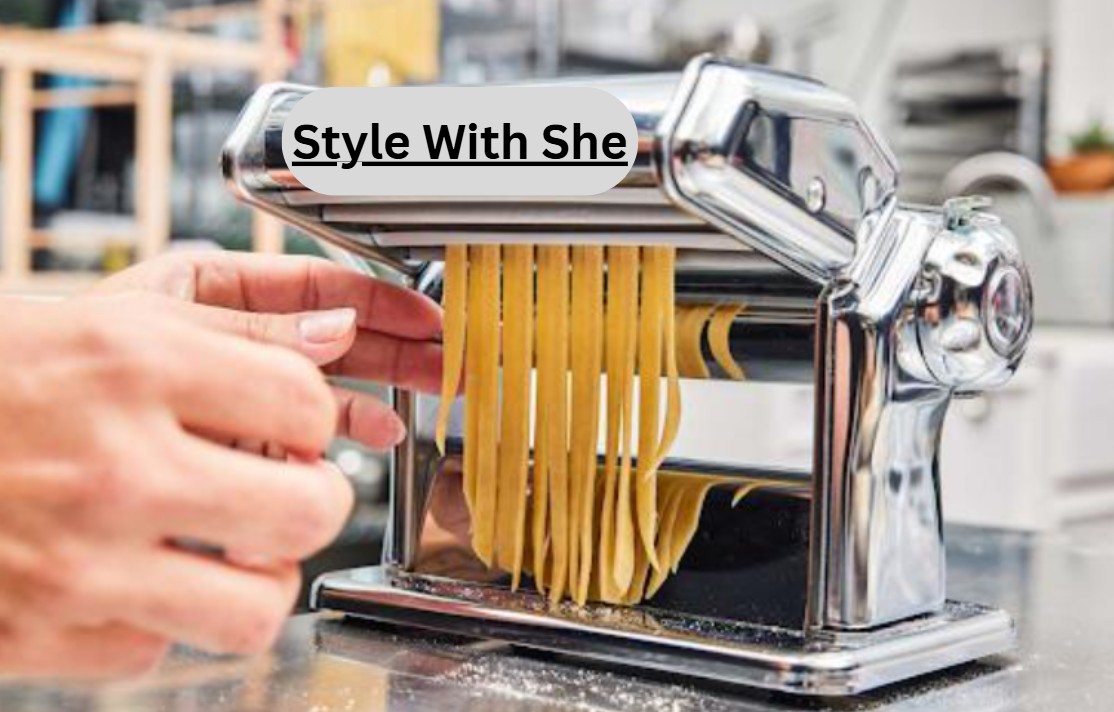
The art of making fresh pasta has evolved from a purely manual tradition into a refined process supported by modern machinery, and at the heart of this evolution lies the tortellinatrice. Whether you are a home cook passionate about authentic Italian cuisine or a business owner running a pasta production line, understanding how a tortellinatrice works can completely transform your workflow and results.
A tortellinatrice is a specialized machine designed to automate the production of tortellini, one of Italy’s most iconic stuffed pasta shapes. Traditionally, tortellini are handcrafted with precision and patience, but this process can be time-consuming and inconsistent when scaled. With the right machine, you can achieve uniform shapes, consistent filling, and faster output without compromising quality.
This guide explores everything you need to know about tortellinatrice machines, including different types, practical uses, and how to choose the right one based on your needs. It also explains key variations such as the tortellinatrice professionale, tortellinatrice usata, and tortellinatrice da casa, helping you make an informed decision whether you’re cooking at home or producing pasta commercially.
Understanding What a Tortellinatrice Is
A tortellinatrice is a machine specifically designed to produce tortellini by shaping pasta dough and filling it simultaneously. Unlike generic pasta machines, it is engineered to replicate the traditional folding and sealing technique required for tortellini.
The machine typically works by feeding pasta sheets into a forming system where filling is injected and the dough is folded into the characteristic ring shape. The result is a consistent, professional-looking product that closely resembles handmade tortellini.
This innovation is particularly valuable in environments where efficiency and uniformity are essential. While artisans may still prefer manual techniques for small batches, modern kitchens and factories rely heavily on tortellinatrici to meet demand.
The Evolution of Tortellini Production
Historically, tortellini were made entirely by hand, often by skilled pasta makers who spent years mastering the craft. Each piece required careful folding and sealing, making large-scale production difficult.
With the rise of food technology, machines like the tortellinatrice were introduced to bridge the gap between tradition and efficiency. Early models were mechanical and required significant manual input, but today’s versions incorporate advanced engineering, allowing for automation, precision control, and improved hygiene standards.
This evolution has enabled restaurants, catering services, and food manufacturers to produce high-quality tortellini at scale while maintaining the essence of traditional recipes.
Tortellinatrice Professionale: Designed for High-Volume Production
A tortellinatrice professionale is built for commercial environments where large quantities of tortellini are produced daily. These machines are commonly used in restaurants, pasta factories, and catering businesses.
Professional models are designed with durability and efficiency in mind. They can operate continuously for extended periods, handling high volumes without compromising quality. The materials used in their construction are typically food-grade stainless steel, ensuring hygiene and longevity.
One of the key advantages of a tortellinatrice professionale is its ability to maintain consistency across thousands of pieces. This is essential for businesses where presentation and uniformity directly impact customer satisfaction.
Another important feature is customization. Professional machines often allow users to adjust dough thickness, filling quantity, and shape size. This flexibility makes them suitable for a wide range of recipes, from classic meat-filled tortellini to modern vegetarian or gourmet variations.
In addition, many advanced models include automated feeding systems and integrated cutting mechanisms, reducing the need for manual intervention. This not only speeds up production but also minimizes labor costs.
For businesses aiming to scale operations or improve efficiency, investing in a tortellinatrice professionale can significantly enhance productivity and profitability.
Tortellinatrice Usata: A Cost-Effective Alternative
For those who want the benefits of a high-quality machine without the full investment, a tortellinatrice usata can be an excellent option. These are pre-owned machines that have been previously used but are still functional and often refurbished.
Buying a tortellinatrice usata can save a substantial amount of money, making it an attractive choice for small businesses or startups. Many used machines come from restaurants or factories that have upgraded their equipment, meaning the machines still have plenty of operational life left.
However, there are important factors to consider when purchasing a used tortellinatrice. The condition of the machine is critical. Buyers should inspect for wear and tear, check the functionality of moving parts, and ensure that all components are intact.
Maintenance history is another key consideration. A well-maintained machine can perform almost as well as a new one, while a poorly maintained unit may require costly repairs.
Despite these considerations, a tortellinatrice usata remains a practical entry point for those looking to start pasta production without a large upfront investment. With careful selection, it is possible to achieve professional-level results at a fraction of the cost.
Tortellinatrice da Casa: Perfect for Home Cooking Enthusiasts
For individuals who enjoy making fresh pasta at home, a tortellinatrice da casa offers a convenient way to create authentic tortellini without the complexity of manual shaping.
Home-use machines are typically smaller, more compact, and easier to operate compared to professional models. They are designed to fit into standard kitchens and require minimal setup.
A tortellinatrice da casa allows users to experiment with different fillings and dough recipes, making it ideal for culinary enthusiasts who want to explore Italian cuisine in depth. While these machines may not match the output capacity of professional models, they provide sufficient performance for personal use or small gatherings.
Ease of use is one of the main advantages. Many home machines feature simple controls and require little technical knowledge. Cleaning and maintenance are also more manageable, making them suitable for everyday use.
For anyone passionate about homemade pasta, investing in a tortellinatrice da casa can elevate the cooking experience and deliver consistently beautiful results.
Key Features to Look for in a Tortellinatrice
When choosing a tortellinatrice, several factors should be considered to ensure the machine meets your needs.
The build quality is essential, as it determines durability and hygiene. Machines made from stainless steel are generally preferred due to their resistance to corrosion and ease of cleaning.
Performance capabilities also matter. The speed of production, consistency of output, and ability to handle different types of dough and fillings are critical aspects.
Another important factor is versatility. Some machines can produce multiple pasta shapes, while others are specialized for tortellini. Depending on your goals, you may prefer a more versatile option or a dedicated tortellinatrice.
Ease of maintenance should not be overlooked. Machines that are easy to clean and service will save time and reduce long-term costs.
Finally, consider the level of automation. Fully automatic machines offer convenience and efficiency, while semi-automatic models provide more control over the process.
Practical Applications of Tortellinatrice Machines
Tortellinatrici are used in a wide range of settings, from home kitchens to industrial production facilities.
In restaurants, these machines help chefs maintain consistency while meeting high demand. In food manufacturing, they enable large-scale production with precise quality control.
Even in culinary schools, tortellinatrici are used as teaching tools, allowing students to understand both traditional techniques and modern innovations.
The versatility of these machines makes them valuable across different sectors, highlighting their importance in contemporary food production.
Conclusion
The tortellinatrice represents a perfect blend of tradition and innovation, allowing users to produce authentic tortellini with efficiency and precision. Whether you choose a tortellinatrice professionale for large-scale production, a tortellinatrice usata for cost savings. Or a tortellinatrice da casa for personal use, each option offers unique benefits tailored to different needs.
By understanding how these machines work and what features to look for, you can make an informed decision that enhances your cooking or business operations. As the demand for fresh, high-quality pasta continues to grow. The tortellinatrice remains an essential tool for anyone passionate about Italian cuisine.
FAQs
What is a tortellinatrice used for?
A tortellinatrice is used to automate the production of tortellini by shaping and filling pasta dough efficiently.
Is a tortellinatrice suitable for beginners?
Yes, especially a tortellinatrice da casa, which is designed for ease of use and simple operation.
Can I buy a used tortellinatrice?
Yes, a tortellinatrice usata is a cost-effective option, but it is important to check its condition and maintenance history.
What is the difference between professional and home models?
A tortellinatrice professionale is built for high-volume production, while a tortellinatrice da casa is designed for smaller-scale use.
How do I maintain a tortellinatrice?
Regular cleaning, proper lubrication of moving parts, and periodic inspections help maintain performance and longevity.
