
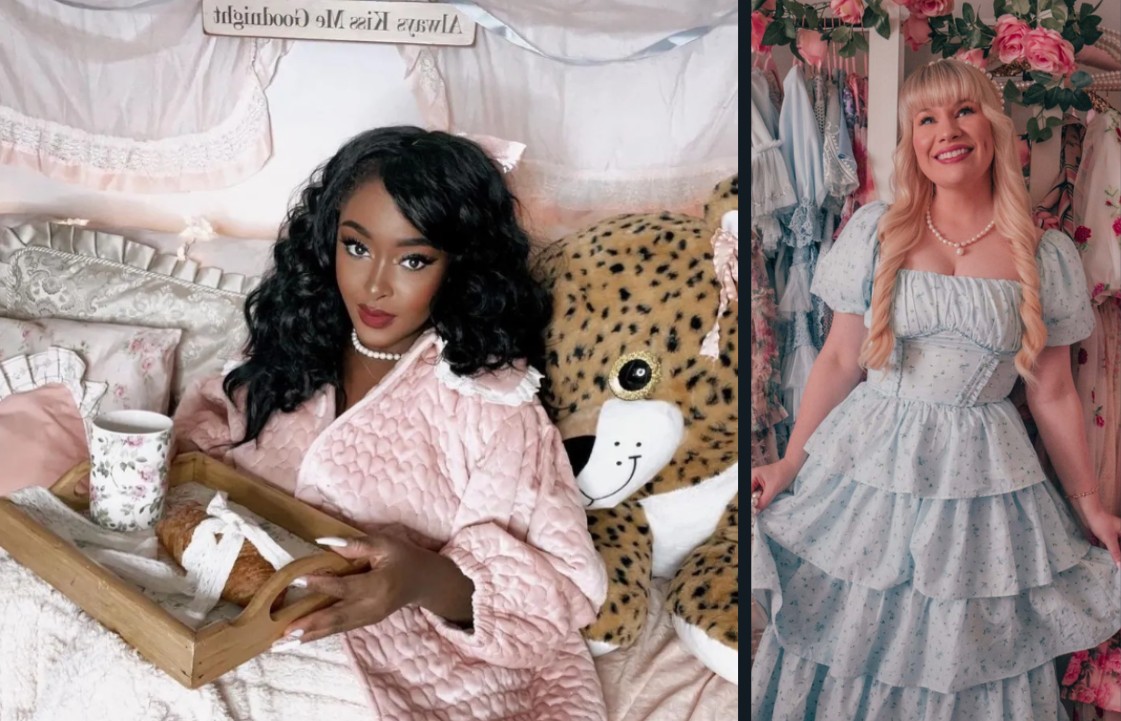
Fashion trends constantly evolve, yet some aesthetics return repeatedly because of their timeless charm. One such aesthetic is coquette style, a fashion movement centered around soft femininity, romantic details, and vintage-inspired elegance. Over the past few years, coquette style has surged in popularity across social media platforms like TikTok, Pinterest, and Instagram, becoming a defining aesthetic for people who appreciate delicate silhouettes, bows, lace, and pastel palettes.
While coquette style may appear modern, its roots extend deep into historical fashion, particularly French romanticism and vintage glamour. Today, the aesthetic exists alongside many other popular style movements such as retro style, boho style, grunge style, acubi style, and y2k style, each representing different cultural and fashion philosophies.
This comprehensive guide explores the origins, meaning, and cultural significance of coquette’s style, while also explaining how it relates to other “style” concepts—from fashion aesthetics like old money styleold and grunt style to non-fashion uses of the word “style,” including apa style, chicago style citation, new york style pizza, chicago style pizza, and even terms like attachment style quiz used in psychology. Understanding these contexts reveals how the concept of “style” shapes culture, identity, and everyday life.
What Is Coquette Style?
At its core, coquette style is a fashion aesthetic that celebrates flirtatious femininity, softness, and romantic expression. The word “coquette” historically referred to a playful, charming woman who embraced elegance and subtle seduction. In fashion, the aesthetic reflects that spirit through delicate clothing and accessories.
The modern interpretation of coquette style typically includes:
- Lace, silk, satin, and chiffon fabrics
- Ribbon details and bows
- Soft pastel color palettes like blush pink, cream, and baby blue
- Pearl jewelry and vintage-inspired accessories
- Ballet flats, Mary Jane shoes, and delicate heels
This aesthetic often draws inspiration from classic films, vintage French fashion, and romantic literature. Influences from designers like Chanel and Dior can also be seen in the silhouettes and textures associated with coquette style.
The resurgence of coquette’s style in the digital age has been driven largely by aesthetic communities online. Influencers often combine vintage fashion, feminine imagery, and nostalgic references to create a cohesive visual identity centered around softness and elegance.
The Origins and Cultural Roots of Coquette Style
The roots of coquette style trace back to European aristocratic fashion of the 18th and 19th centuries. During this period, women’s clothing emphasized corsets, lace, silk dresses, and intricate details that symbolized wealth and femininity.
Later, elements of coquette style appeared in mid-20th-century Hollywood fashion, where actresses embraced romantic silhouettes and glamorous accessories. Over time, this aesthetic evolved into the modern digital interpretation seen today.
The contemporary revival of coquette’s style is partly influenced by nostalgia-driven trends. Fashion cycles often revisit earlier eras, which is why aesthetics like retro style and y2k style frequently re-emerge. In this sense, coquette style fits within a broader movement toward vintage-inspired self-expression.
Key Fashion Elements of Coquette Style
To fully understand coquette style, it helps to explore the design elements that define the aesthetic.
Fabrics and Textures
The foundation of coquette style lies in soft, romantic fabrics. Lace and chiffon dominate because they create a delicate appearance associated with femininity.
Silk camisoles, satin dresses, and lace-trimmed blouses frequently appear in coquette style wardrobes. These materials emphasize movement and elegance, reinforcing the aesthetic’s dreamy quality.
Colors and Patterns
Soft pastel tones are central to coquette style. Shades such as blush pink, ivory, cream, and light blue appear frequently in outfits and accessories.
Floral patterns, tiny hearts, and ribbon motifs further reinforce the romantic vibe associated with coquette style.
Accessories
Accessories are essential in achieving authentic coquette style. Common examples include:
- Pearl necklaces
- Ribbon hair bows
- Vintage handbags
- Lace gloves
- Delicate ballet flats
These items add subtle sophistication and help complete the overall aesthetic.
Also Read: Retro Style Guide: Fashion, Culture & Modern Trends
Coquette Style vs Other Fashion Aesthetics
Fashion is full of diverse aesthetics, each with unique influences and cultural meanings. Comparing coquette style with other trends helps clarify its identity.
Retro Style
Retro style refers to fashion inspired by past decades, particularly the 1950s through the 1980s. While retro style focuses broadly on vintage nostalgia, coquette style specifically emphasizes romantic femininity.
For example, a retro outfit might include high-waisted jeans and a polka-dot blouse, whereas coquette style would lean toward lace dresses and bows.
Y2K Style
Y2k style represents early-2000s fashion characterized by metallic fabrics, crop tops, low-rise jeans, and futuristic accessories. Compared with coquette style, y2k style is more bold and playful rather than soft and romantic.
However, modern fashion often blends aesthetics, meaning someone could incorporate y2k style accessories into a coquette style outfit.
Grunge Style
Grunge style emerged from the 1990s alternative music scene and features distressed denim, oversized flannel shirts, and darker color palettes.
The rebellious, anti-fashion attitude of grunge style contrasts sharply with the polished elegance of coquette style, though contemporary fashion lovers sometimes mix both for an edgy look.
Boho Style
Boho style, or bohemian fashion, emphasizes earthy tones, flowing garments, and artisanal accessories. While boho style focuses on natural textures and free-spirited expression, coquette style is more refined and romantic.
Acubi Style
Originating from Korean fashion culture, acubi style blends minimalism with soft futuristic aesthetics. Neutral tones, sleek silhouettes, and layered outfits define acubi style, making it visually distinct from the ornate details of coquette style.
Old Money Styleold
The old money styleold aesthetic reflects classic upper-class fashion traditions associated with wealth and heritage. Think tailored blazers, loafers, and understated luxury.
While old money styleold emphasizes sophistication and quiet luxury, coquette style focuses more on romantic and feminine design elements.
Grunt Style
Grunt style is a clothing brand and aesthetic associated with military pride and patriotic imagery. Compared with the delicate appearance of coquette style, grunt style represents strength, durability, and rugged masculinity.
Also Read: Y2K Wallpaper: Ultimate Guide to the Y2K Aesthetic
When “Style” Means Something Else: Cultural Uses of the Word
The word “style” extends far beyond fashion. Understanding these different contexts helps illustrate how style influences multiple aspects of culture.
Apa Style and Chicago Style Citation
In academic writing, apa style and chicago style citation refer to formatting systems used to organize research papers and scholarly references.
APA style, created by the American Psychological Association, is commonly used in psychology and social sciences. It specifies rules for citations, references, headings, and formatting.
Meanwhile, chicago style citation, from the Chicago Manual of Style, is widely used in history, publishing, and humanities. These citation systems show how the concept of “style” can refer to structured methods of presenting information rather than clothing.
Detroit Style Pizza, New York Style Pizza, and Chicago Style Pizza
Food culture also uses the word “style.” For example:
Detroit style pizza features a thick, rectangular crust with crispy edges and cheese spread to the corners of the pan.
New york style pizza is famous for its thin crust and large, foldable slices, making it one of the most recognizable pizza varieties in the United States.
Chicago style pizza, particularly deep-dish pizza, has a thick crust filled with layers of cheese, toppings, and chunky tomato sauce.
These culinary traditions demonstrate how “style” defines distinctive regional approaches.
Gangnam Style
Another famous cultural example is gangnam style, the viral 2012 hit song by South Korean artist Psy. The phrase refers to the luxurious lifestyle associated with Seoul’s Gangnam district. Its global popularity illustrates how style can represent cultural identity and social commentary.
Understanding Attachment Style in Psychology
The concept of “style” also appears in psychology, particularly in attachment theory. Researchers use terms like avoidant attachment style, anxious attachment style, and disorganized attachment style to describe how individuals form emotional bonds.
An avoidant attachment style often develops when caregivers are emotionally distant. Adults with this attachment style may value independence and struggle with emotional intimacy.
An anxious attachment style is characterized by a strong desire for closeness combined with fear of abandonment. People with this attachment pattern may seek reassurance frequently in relationships.
A disorganized attachment style combines elements of both anxious and avoidant behaviors. It often develops in unpredictable caregiving environments.
To understand these patterns, psychologists sometimes recommend taking an attachment style quiz, which helps individuals identify their relationship tendencies and work toward healthier communication patterns.
Also Read: Y2K Outfits Guide: 2000s Fashion Trends Revival
Understanding the Phrase “Doggy Style” in Language
Language often uses the word “style” in many informal expressions. One widely known phrase is doggy style, which generally refers to a specific body position in various contexts, including human intimacy. In educational discussions, the term may appear when explaining language, slang, or cultural expressions.
Mentioning terms like doggy style in linguistic or cultural contexts illustrates how the word “style” can describe posture, technique, or approach rather than fashion alone.
Why Coquette Style Is Trending Today
The modern popularity of coquette style can be linked to several cultural trends.
First, social media aesthetics reward visually cohesive imagery. The romantic visuals of coquette’s style—bows, lace, and pastel palettes—translate perfectly into platforms like Pinterest and Instagram.
Second, fashion cycles are increasingly nostalgic. Trends like retro style and y2k style demonstrate society’s fascination with revisiting past decades. Coquette‘s style taps into that nostalgia while maintaining a modern twist.
Third, the aesthetic allows for self-expression. Many people appreciate the soft femininity and artistic presentation associated with coquette style, making it both fashionable and personal.
How to Incorporate Coquette Style Into Your Wardrobe
Adopting coquette style does not require a complete wardrobe overhaul. Instead, the aesthetic can be introduced gradually through carefully chosen pieces.
Start with simple items such as lace blouses, satin skirts, or ribbon accessories. Pairing these with neutral clothing helps maintain balance while still highlighting coquette’s style elements.
Vintage stores and sustainable fashion shops are excellent places to find authentic items that complement coquette style.
The Future of Coquette Style
Fashion continues to evolve, but coquette style appears poised to remain influential. Its blend of vintage romance and modern aesthetics makes it adaptable to new interpretations.
Designers are already experimenting with updated versions of coquette’s style, combining it with contemporary trends like minimalism, acubi style, and sustainable fashion practices.
As fashion communities continue to grow online, coquette style will likely evolve while maintaining its defining themes of elegance, softness, and romantic storytelling.
Conclusion
The concept of “style” shapes far more than clothing. From coquette style in fashion to apa style in academic writing, chicago style citation in publishing, and even culinary traditions like detroit styles pizza, new york style pizza, and chicago style pizza, the word describes distinctive approaches that reflect culture and identity.
Within the world of fashion, coquettes style stands out for its romantic charm and timeless femininity. By combining vintage inspiration, delicate fabrics, and playful elegance, the aesthetic offers a refreshing alternative to more edgy trends like grunge style or bold statements like y2k style.
Understanding coquettes style alongside other cultural meanings of “style”—including psychological concepts like avoidant attachment style, anxious attachment style, and disorganized attachment style—reveals how the idea of style influences nearly every aspect of human expression.
As fashion trends continue to evolve, coquette style remains a powerful reminder that elegance, creativity, and individuality will always have a place in the world of design.
Frequently Asked Questions
What defines coquette style?
Coquettes style is a romantic fashion aesthetic characterized by soft fabrics, bows, lace details, and pastel colors inspired by vintage femininity.
Is coquette style the same as vintage fashion?
Not exactly. While coquettes style draws inspiration from vintage clothing, it blends historical elements with modern trends.
Can coquette style be combined with other aesthetics?
Yes. Many fashion enthusiasts mix coquettes style with retro style, boho style, or even y2k style to create unique personal looks.
Why is coquettes style popular on social media?
The soft colors, romantic imagery, and cohesive visuals of coquettes style perform well on visually driven platforms like Pinterest, TikTok, and Instagram.
For More Visit Style With She
